Things to Do: Easter in Rome

Witness the beating, spiritual heart of the Italian capital with these fantastic things to do this Easter in Rome!

As a deeply Catholic city, it's no surprise that Easter is kind of a big deal in Rome. The city is transformed by blue skies, vibrant florals, religious processions and some of the most moving masses of the year, which makes it one of the best yet busiest times of the year to visit the Italian capital. Whether you're Catholic or not, the city welcomes all people to join in the festivities and here's a few things to do this Easter in Rome!
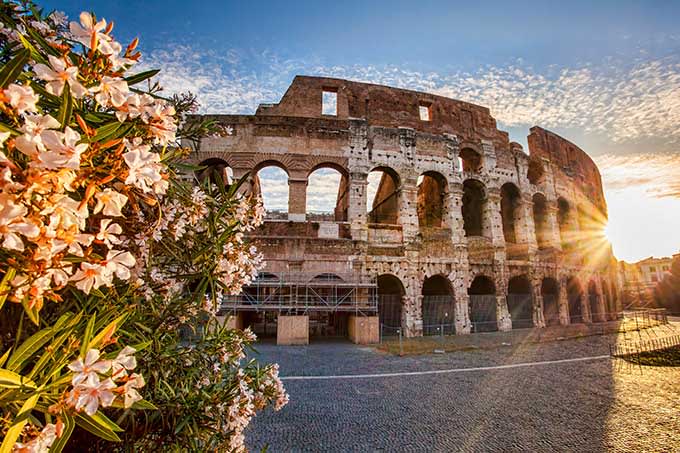
April, 14, Good Friday

Via Crucis at the Colosseum As one of the most memorable ceremonies of the Catholic holiday, Via Crucis honours Jesus Christ's struggle to carry his own crucifix to his eventual crucifixion through a procession re-enactment. Beginning at the Colosseum at 9:15pm, Pope Francis will start the tradition with an unforgettable mass open to the public before a crucifix is carried to thirteen different locations named the Stations of the Cross. As one of the most moving and sombre rituals of the holiday, it's a great insight into Catholicism for those unfamiliar with its rituals. Visitors hoping to visit the Colosseum for sightseeing purposes may be disappointed however, as the Colosseum's regular tourism services are limited.
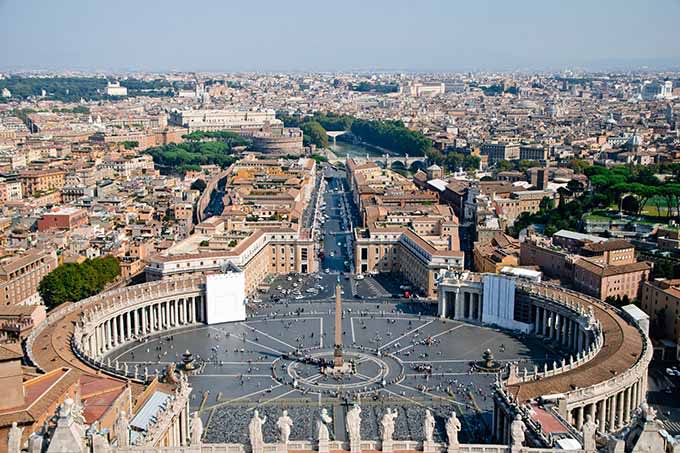
Palm Sunday - Easter Sunday

Easter Mass at St Peter’s Basilica Throughout Easter, St Peter's Basilica runs regular masses open to the public and besides Christmas, they're the most subscribed events of the year. Visitors hoping to sit in on its masses are advised to book their free tickets a few months in advance if they want to sit in the cathedral, however people are welcome to sit in St Peter's Square to watch the live broadcast. Key Easter masses led by the Pope include the Celebration of Penitential Rites on March 17 to herald the start of Easter, a Good Friday mass at 5pm on April 14, a vigil on Easter Saturday (April 15) at 8:30pm to welcome new Catholics to the church and finally the grand Easter Sunday mass at 10:15am
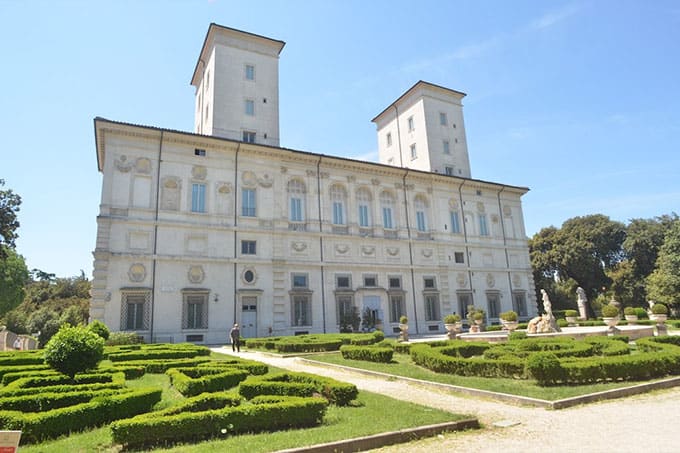
April 17, Easter MondayPasquetta

This Easter Monday celebration is one where families come together and leave the bustling city behind for the seaside, countryside or find themselves a tranquil spot in Borghese Park for a picnic. If you're keen on joining in the tradition, Rome's most popular beach Ostia Lido is just a short distance from Piramide - the area's also a fantastic place to explore once you've finished with your feast with the stunning Ostia Antica ruins towering over the area.
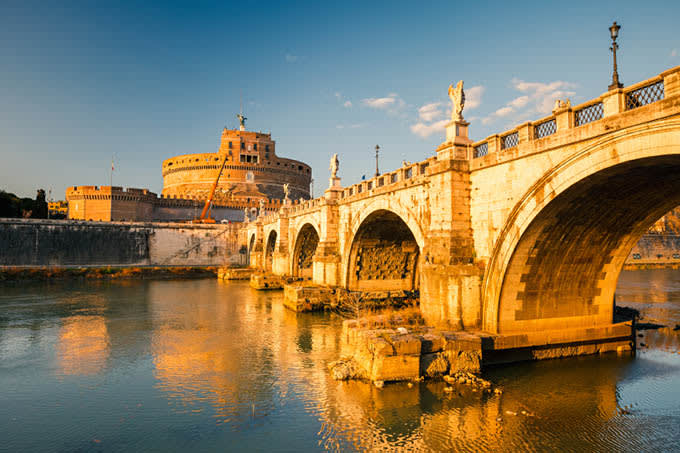
April 17, Easter Monday

Pasquetta Fireworks If you're planning on staying in the main Roman drag, it's worth securing a spot on the banks of the River Tiber to catch the breathtaking fireworks display over Castel Sant'Angelo. While the exact time of the show is hard to pin down, it's worth asking tourist information or your hotel concierge for an idea of when the fireworks will start. With Castel Sant'Angelo's statue of Archangel Michael set against a sky of rainbow lights, this picturesque event is one worth breaking out your camera for. Flowers Rome embraces spring and all its blooms during spring, with hundreds of thousands of flowers and a flood of greenery bringing the capital to life. (Last year, over 30,000 tulips, hyacinths and daffodils were used in just one Easter Sunday display.) Even if you don't intend to join the Easter celebrations, the city is still at its most beautiful around this time with the Spanish Steps lined with lilies and rhododendrons and Aventine Hill's Rose Garden in full bloom.
Megan Hills
Rome Travel Expert

Continue reading

Blog

Happy Halloween horror tour of Ancient Rome

You don’t normally associate the pagan festival of Halloween to the holy Catholic city of Rome, however, if you are looking for something spooky while you’re in Rome then look no further. We’ve compiled a list of our top five scariest spots across the city for you to get your fix. Just don’t blame us if it’s too frightening... Capuchin Crypt of Bones Just off Piazza Barberini, this eerie church is not one to be missed if you’re into bone-chilling experiences – pardon the pun. Located underneath the church is a crypt decorated with the bones of 4,000 monks from the Capuchin order, dating back to 1631. The bones were used decoratively to line the walls of the church and later the friars were to bury their own dead to continue the tradition. This impressive ossury is divided into five chapels and visitors are guided by natural light and low lit candles, adding to the eerie experience. Some might say it’s a macabre work of art, as the bones have been laid out in various designs and orders. You’ll notice some of the skeletons have been draped in the old Capuchin robes and look down at you from their place on the wall. Catacombs of St Callixtus These catacombs contain some of Rome’s most important martyrs and popes of Ancient Rome. It wasn’t until the first half of the second century that bodies were even buried underground, so these catacombs hold significant importance as being the first place to bury Christians all in one, joint place, together in tombs. The Catacombs of St Callixtus cover 90 acres and there are over 12 miles of pathways to explore, down four levels, over 20meters underground... Look out for the “little Vatican” the area where all the popes are buried; the crypt and statue of St Cecilia, patron of music, and also the ancient frescoes which decorate the walls. The Vatican Necropolis Found in the Vatican City, the Vatican Necropolis is the burial ground of the majority of, and the more recent, popes and is a hugely important place for Romans and Catholics to this day. Underneath St Peter’s Basilica, the catacombs are open to the public for you to walk through the tombs. Don’t miss the ‘graffiti wall’ which contains a number of ancient Latin scribbles, either. Some of the oldest tombs date back to the 3rd century and you’ll even be able to see the tombs of Apostle Peter, Circus Nero and Gaius of Rome. Museum of Purgatory Take the spook-scale up a notch to the Museum of Purgatory, a tiny room inside Sacra Cuore Suffragio (the Church of the Scared Heart). It’s believed that Father Jouet, a French missionary priest, saw a man’s face in the flames when a painting of the Virgin Mary caught fire, and he believed it was a soul whose body was buried on that spot, stuck in purgatory. So Jouet decided to build a church to pay tribute to all those souls. Many people haven’t heard of the Museum of Purgatory so you'll probably be the only visitors there at one time. Whether you believe in purgatory or not, it’s worth a visit just to see the artefacts on display that claim to be evidence of souls trapped, trying to get out.... Monster House If you need something slightly less scary and a bit more lighthearted, head up to the Spanish Steps where you can see the open mouthed door of the nicknamed Monster House. Although visitors aren’t allowed to enter the house, once owned by two baroque painters, the Zuccari brothers, you can stand outside and admire the bizarre entrance. In 1592 the Zuccaris decided it would be comical (one would assume?) to decorate their house with gaping mouthed windows and doors. Here you can see the giant features set in stone which, on a dark night, are somewhat less comfortable to look at...
Go City Expert
Blog

Landmarks and Ruins in Rome

You can’t help but be awed by the famous landmarks and historical places you can see all over Rome. Thanks to its ancient Empire, the city has a wealth of history and culture to explore. You'll learn about everything from the Colosseum to the Trevi Fountain and the Pantheon to the Roman Forum. It's not surprising, then, that the city is one of the most well known for landmarks and monuments. Get your fix of history and heritage at these famous Rome monuments and ruins and make the most of your time in the city with the Omnia Rome and Vatican Pass. Colosseum Packed with ancient history, the Colosseum is one of the most recognized landmarks and ruins in Rome. Dating back over 2,000 years it was once the ground for legendary gladiator contests that would entertain the masses. These brave gladiators would fight in the arena in front of thousands, often against wild animals and those with weapons far greater than theirs! Don't miss the opportunity to learn about the fascinating history of this ancient landmark during your stay in Rome. Address: Piazza del Colosseo, 00184 Rome Metro: Colosseo (Metro B) Roman Forum Did you know the word 'palace' comes from Palatine Hill after Emperor Augustus established the tradition of building palaces on the hill? The Roman Forum was the political epicenter of the evolution of ancient Rome and it played a crucial role in the growing trade and commerce of the city, including the historic ruins, arches, churches, and pillars still standing to give you a real feel of what the city was like 2,000 years ago. Address: Via di San Gregorio, 30 – 00184 Rome Metro: Colosseo (Metro B) St Peter's Basilica St Peter’s Basilica is one of the most famous churches in the world and is the site of many pilgrimages every year – so you know it’s a landmark worth visiting. The beautiful architecture is one of its most impressive features; with Bramante, Bernini, Michelangelo and Maderno all having left their mark on the building, both inside and out. See the huge dome, intricate décor, baroque Baldacchino and huge obelisk in the square. Address: Piazza San Pietro, Vatican City Metro: Ottaviano-S.Pietro-Musei Vaticano (Metro A line) Castel Sant'Angelo This famous Rome landmark and important historical site sits on the northern bank of the River Tiber overlooking the city as it has for the last 2,000 years as its role as a fortress. Protecting the city, Castel Sant’Angelo, or Hadrian’s Mausoleum as it’s also called, is the tomb of the former Emperor and has a rich history and a wealth of priceless historic artifacts within its museum. A visit to this historic landmark will uncover the Papal Apartments, Courtyard of the Angel and even the secret passageway into the Vatican… Address: Lungotevere Castello, 50 - 00186 Rome Metro: Lepanto (Metro A) or Ottaviano (Metro A) Trevi Fountain The Trevi Fountain is a must on everyone’s bucket list who visits Rome. Set within the winding cobbled streets of central Rome, this huge baroque fountain is considered one of the best in the world and has embellished the streets of Rome since 1726. The Trevi Fountain’s intricate sculpture and marble draw in over 3.5 million tourists a year thanks to the efforts of Bernini and Salvi who are credited with creating this baroque masterpiece. Address: Piazza di Trevi, 00187 Roma Metro: Barberini (Metro line A) Piazza Navona Piazza Navona is one of the most famous squares in Rome and has been a space of commerce and trade since the 15th century when the local market was moved there from Campidoglio. During this time the square underwent considerable improvements and a stunning baroque facelift, to what we still see today. In the square, you can see the baroque fountain by Bernini, the Obelisk of Domitian and many other churches surrounding it, as well as Pamphili Palace around the corner. Address: Piazza Navona, 00186 Roma Metro: Spagna (Metro line A) Altare Della Patria Just down from the Roman Forum and across from the Imperial Forum is the eclectic Monumento Nazionale a Vittorio Emanuele II, aka Altare Della Patria, aka the 'wedding cake' as the locals like to call it. Not to everyone’s taste, this grand building at the center of Piazza Venezia is an imposing landmark you can’t miss. The monument in Rome's very center is home to the Tomb of the Unknown Soldier with the eternal flame burning, as well as a stunning viewpoint right at the top of the landmark. Address: Piazza Venezia, 00186 Roma Bus: Piazza Venezia Pantheon Ever wondered what happens to the rain that falls through the large oculus in the roof of the Pantheon? Learn more about the history of the ancient – and one of the best-preserved – landmarks in Rome. The Pantheon dates back to 118 AD and is believed the building was completed by Emperor Hadrian. Now, it’s still a working church so whether you’re visiting for prayer or for pleasure, you most certainly won’t be disappointed by this impressive Rome landmark. Address: Piazza Della Rotonda, 00186 Roma Bus/Tram: Largo Argentina Spanish Steps The Spanish Steps are some of the most romantic steps in the world and are a site of many selfies and picture-perfect moments. Whether you sit and watch the world go by, or bring a picnic, these steps are a great location to rest and recover during a busy day of sightseeing. The 135 steps date back to 1725 and were designed by Francesco de Sanctis and have been an iconic landmark of Rome ever since. Address: Piazza di Spagna, 00187 Roma Metro: Spagna (Metro line A) St John in the Lateran St John in the Lateran is the official seat of the Pope and is home to the Scala Sancta, a site of pilgrimage throughout the year. The church is also one of the oldest churches in Western Europe, dating back to 324 AD, and has been decorated in a Cosmatesque style with a 14th-century Gothic Baldacchino. Don’t miss the stunning cloister, deemed one of the most beautiful in Rome, embellished with delicate mosaics and friezes. Address: Piazza San Giovanni in Laterano, 00184 Rome Metro: San Giovanni (Metro line A) Make sure to explore these treasures on your very own Roman holiday, and so much more, with an Omnia Rome and Vatican Pass.
Go City Expert
Blog

A Taste of History: Rome's Oldest Restaurants

Have your history and eat it too at Rome's oldest restaurants When in Rome, do as the Romans do and get stuck into its fabulous dining scene. We don't have to tell you about Rome's incredible street food and fresh pastas - the international hype speaks for itself - but there are a few grand establishments worth trying that really know what they're doing. Try the dishes at some of Rome's oldest restaurants below for a true taste of tradition. Some classic Roman #appetizers to start our night at one of the oldest restaurants in #Rome 🇮🇹 #carciofoallagiudia #friedArtichoke #friedzucchiniflowers with cheese 👍😋 #lacampanaroma #ristorantelacampana A post shared by 🎀 🎀 EAT hard PLAY hard 🎀 🎀 (@fonc) on May 14, 2017 at 12:02pm PDT La Campana This family-run trattoria is a stalwart of the Roman dining scene, with nearly 500 years of patronage and Italian comfort food. Founded back in 1518 and named after Pietro de la Campana, the restaurateur who opened the establishment, it remains a firm favourite with both locals and tourists - especially because the Pantheon and Piazza Navona are nearby. Try the Artichokes alla Guidia and Saltimbocca for some real classic tastes. Nearby Sites: Pantheon, Piazza Navona E niente, posso resistere a tutte le tentazioni ma davanti a loro,mi inchino. A post shared by @just_anto64 on May 10, 2017 at 5:23am PDT Ristorante Peppone It's a story we're all familiar with - a small town boy named Giuseppe Tozzi leaves the countryside for the big city, dreaming of fame and fortune. Even back in the 1800s, it was a cliche and one that Giuseppe (nicknamed Peppone) owned wholeheartedly. He opened up a traditional restaurant in the 1890s and it's persisted till now, run by his great grandchildren who bring the flavours of his hometown Abruzzo to the capital. Nearby Sites: Via Veneto doooood getting the full Roman offal experience here... starting at 12:00 is veal testicles (best part on this plate), veal small intestine, veal sweetbreads (damn good), repeats from 6-12 position and then veal liver in the middle... all perfectly roasted with some salt that's it... with squeeze of lemon and it's magically delicious A post shared by Victor Tam (@victors_belly) on Jun 18, 2017 at 6:51am PDT Checchino dal 1887 If you're keen to try quinto quarto - Italian for offal - then you've come to the right place. Popular with locals, this restaurant has lived many lives starting off as a wine cellar, then a slaughterhouse, then eventually a restaurant. Started by a young couple, the restaurant really hit its stride once their daughter and grandson breathed new life into the business and revamped its dishes. With quinto quarto tasting menus, vegetarian options and a mean spaghetti carbonara, it's worth stopping by here on the way to see Monte Testaccio. Nearby Sites: Monte Testaccio Fried artichokes in Rome. Been waiting for this for a long time. #waitingmakesitsweeter A post shared by Christine Barbour (@dcbrocksjewelry_rawredefined) on Jul 8, 2017 at 12:54pm PDT Ristorante Piperno Jewish cuisine is a strong influence on many of Rome's tastes and dishes and you'd be hard-pressed not to find Carciofi alla Giudia (artichokes cooked in the Jewish style) on menus in Rome. As the oldest joint in the Jewish quarter dating back to 1860, it's no surprise that they specialise in the dish - so much so that they threw spring parties called Carciofolata there. Their homemade pastas are also a thing of beauty, try the taglioni. Uma grande mistura de sabores! #gelato #fassi #italia #roma A post shared by Valnice Lopes (@val_nice) on Jul 1, 2017 at 2:56am PDT Palazzo del Freddo di Giovanni Fassi Skip dinner and head straight for dessert at Palazzo del Freddo, a gelato sanctuary started way back in 1880. Forget the mom and pop soda shops you'll see in the US, gelato is serious business here with classy interiors and over 30 different gelato flavours ranging from safe vanillas and hazelnuts to bolder choices like rice and pineapple. Order an extra large scoop, grab a marble-topped table and be prepared to feast - the dessert's next level here.
Megan Hills
The Colosseum, Roman Forum & Palatine Hill
Vatican Museums and Sistine Chapel - Fast Track & Reserved Entry

Dreaming of that Rome city break?

Sign up to receive top travel tips

Borghese Gallery
Hop-on Hop-off Bus Tour